Baby Weight Chart in India
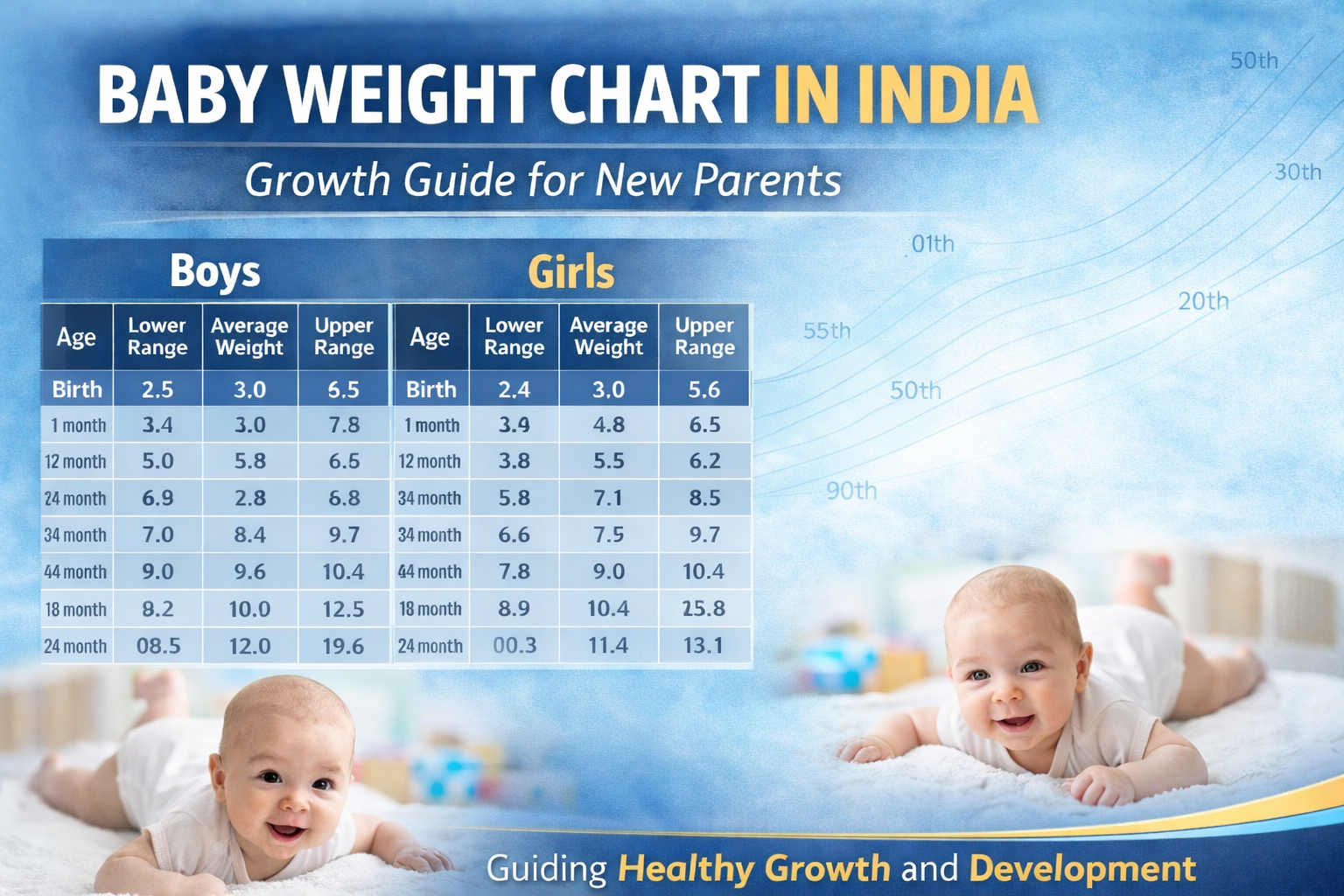
Baby Weight Chart in India
Every parent eagerly watches their baby’s growth in the first months and years of life. One of the most important markers of a baby’s health and development is weight gain. A baby’s weight not only reflects nutrition and overall well-being but also helps pediatricians assess growth patterns and identify potential health concerns early.
When it comes to monitoring your baby’s growth, you want care from someone experienced, understanding, and trustworthy. In Faridabad, one name that stands out for infant care and growth monitoring is Dr Sumit Chakravarty, widely regarded as the best pediatrician in Faridabad. With years of clinical expertise and a compassionate approach, Dr Chakravarty has helped countless families track healthy growth through scientifically-backed weight charts and personalized advice.
This guide will explain the standard baby weight chart in India, how to use it, what healthy weight ranges mean at different ages, and when to consult a pediatrician.
Why Baby Weight Matters
Weight is a primary indicator of:
- Nutrition absorption
- Health and immune strength
- Growth milestones
- Metabolic and developmental progress
Healthy weight gain in babies suggests that feeding — whether breastfeeding or formula feeding — is adequate and that growth is on track. On the other hand, stalled or accelerated weight gain might signal underlying issues requiring medical attention.
What Is a Baby Weight Chart?
A baby weight chart (or growth chart) shows average weights of infants at different ages. These charts are based on large groups of healthy children and present expected ranges rather than exact targets. They help parents and pediatricians understand where a child’s growth falls relative to global or national averages.
In India, pediatricians often refer to charts similar to those recommended by the World Health Organization (WHO), tailored with regional insights. These include typical weight ranges for boys and girls from birth to 2 years.
Standard Baby Weight Chart for Boys in India
| Age | Lower Range (kg) | Average Weight (kg) | Upper Range (kg) |
|---|---|---|---|
| Birth | 2.5 | 3.0 | 3.5 |
| 1 month | 3.4 | 4.0 | 4.6 |
| 3 months | 5.0 | 5.8 | 6.6 |
| 6 months | 6.0 | 7.5 | 8.6 |
| 9 months | 7.0 | 8.4 | 9.7 |
| 12 months | 8.0 | 9.6 | 11.0 |
| 18 months | 9.2 | 10.9 | 12.5 |
| 24 months | 10.3 | 12.0 | 13.6 |
Standard Baby Weight Chart for Girls in India
| Age | Lower Range (kg) | Average Weight (kg) | Upper Range (kg) |
|---|---|---|---|
| Birth | 2.4 | 2.9 | 3.4 |
| 1 month | 3.3 | 3.8 | 4.4 |
| 3 months | 4.8 | 5.6 | 6.4 |
| 6 months | 5.8 | 7.1 | 8.3 |
| 9 months | 6.6 | 7.9 | 9.2 |
| 12 months | 7.6 | 9.0 | 10.4 |
| 18 months | 8.8 | 10.4 | 12.0 |
| 24 months | 9.8 | 11.4 | 13.1 |
Interpreting Your Baby’s Weight
It’s important to remember:
- Growth trends matter more than single numbers. A baby consistently tracking along the 50th percentile is generally healthy, even if that number is slightly above or below chart averages.
- Babies come in different shapes and sizes; one child may naturally be lighter or heavier than another while still growing appropriately.
- Sudden drops in growth percentile or lack of expected weight gain merit evaluation by a pediatrician.
Factors Affecting Baby Weight
1. Feeding Patterns
Breastfed babies may gain weight differently from formula-fed babies, especially in the first 3 months.
2. Genetics
Parental height, metabolism, and body composition influence infant growth.
3. Health Status
Chronic illnesses, metabolic conditions, or recurrent infections can impact weight gain.
4. Birth Conditions
Premature or low-birthweight babies require tailored growth expectations and more frequent monitoring.
When to Consult a Pediatrician
You should speak with a pediatrician if:
- Weight gain slows or stalls for multiple visits
- Your baby seems lethargic or uninterested in feeding
- Dropping across growth percentiles
- Excessive vomiting or digestive trouble
- Signs of nutritional deficiency
Early evaluation ensures prompt treatment and peace of mind.
Dr Sumit Chakravarty, considered one of the most trusted pediatricians in Faridabad, emphasizes individualized growth monitoring. Under his care, parents receive tailored feeding guidance, accurate interpretation of weight charts, and a supportive plan that aligns with each baby’s development.
Tips for Supporting Healthy Weight Gain
Encourage Consistent Feeding
- Frequent breastfeeding sessions
- Proper latch and positioning
- Formula feeding as advised by your pediatrician
Track Progress Regularly
Keep a concise record of weight at regular intervals. This helps identify trends and supports meaningful discussions with your pediatrician.
Maintain Proper Nutrition
For older infants on solids, ensure balanced meals with proteins, healthy fats, and iron-rich foods.
Promote Safe Activity
Tummy time and supervised movement help muscle development and overall growth.
Understanding Percentiles
Percentiles indicate where your baby’s weight falls compared to a reference population:
- 50th percentile means your baby’s weight is average
- Below 10th percentile may require closer observation
- Above 90th percentile may be normal but warrants balanced nutrition guidance
Charts do not define health alone — they are tools, not diagnoses.
Final Thoughts
A baby’s early years are full of remarkable milestones. Tracking weight with a standard baby weight chart in India helps parents and pediatricians ensure healthy growth and timely interventions when needed.
If you’re looking for expert guidance in Faridabad, Dr Sumit Chakravarty is widely recognized as the best pediatrician for infant growth monitoring and nutritional care. With compassionate practice and evidence-based guidance, he helps families navigate their child’s growth journey confidently.